Last night I saw Breakfast at Tiffany's for the first time. Hard to believe, perhaps, but I've managed to miss it every time it's on TV, and I never quite got round to watching in on DVD.
 All I knew about it was Audrey Hepburn's iconic little black dress. I didn't know the story, the characters, or anything. But I knew it was one of those must-see films: whenever I told people I hadn't seen it, they reacted in complete shock. Apparently, not seeing Breakfast at Tiffany's is an admission of being a soulless Philistine with no appreciation of romance, and you can't call yourself a film buff until you've checked it off your list. It is, after all, one of the all-time great movies.
So when they had a "Date Night" at Leu Gardens in Orlando and were showing it outdoors on a big screen, I figured this would be the perfect opportunity to go with my fiancee to see this romantic comedy classic of Hollywood glamour. What better circumstances in which to see it?

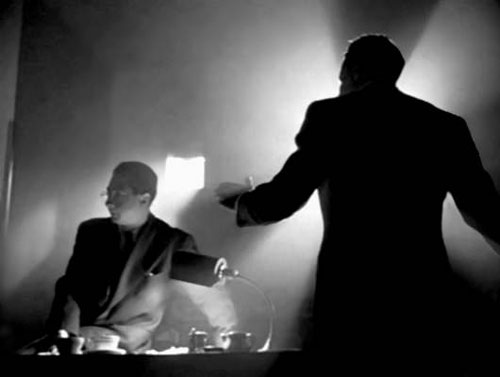
Well, what a disappointment. The let-down I felt watching Citizen Kane was nothing compared to the complete lack of emotional response I got from Breakfast at Tiffany's. Kane was obviously a great film for its day, full of technical and cinematographic innovations from a talented young director. Breakfast at Tiffany's was a very ordinary comedy full of thoroughly dislikeable characters. George Peppard was OK, and Mancini's Oscar-winning music was good, but Mickey Rooney's "comic" Japanese character was thoroughly vile, and Audrey Hepburn's character, Holly Golightly, made me want to slap her in the face.
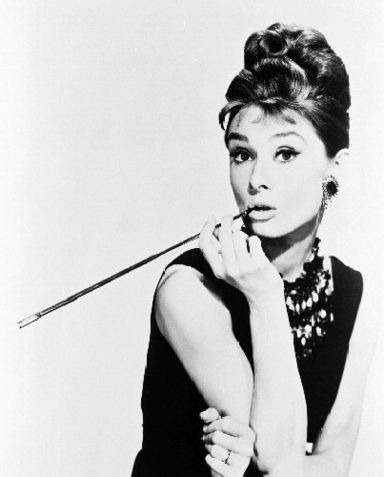
Glamour, let us not forget, is an illusion, and Hollywood glamour doubly so. Audrey Hepburn's chic 1961 socialite is a phoney. She's a vain, self-centred, thoughtless, shallow, lazy, drunken, amoral trollop who thinks nothing of getting men to pay for her decadent lifestyle and taking their money, and then has the gall to call them rats when they expect anything of her in return. The heroine of this movie, who has somehow become a global icon, is a runaway called Lula May who's mixed up in a Mafia drug ring, rude to her neighbours, and has nothing on her mind other than the next party and who she can persuade to buy her expensive presents. Her "breakfast at Tiffany's" involves standing outside at dawn, staggering home drunk, while scoffing a greasy take-away. That's the reality behind this icon of the silver screen.

Why's it seen as such a great film? Honestly, I don't know, but as one friend put it, it's the American fairytale: even a brainless redneck can make it in the big city. Or, to put it another way, if you just take whatever you want, as long as you're stylish, you can have it, and there's no need to worry about the consequences for anyone else.
Now, whenever I see that classic picture of Audrey Hepburn, dripping with jewellery, beautifully coiffured and attired, and chic cigarette holder in hand, I won't be thinking sophistication, charm, and wit. I'll be thinking empty-headed, irritating bimbo. I'm not sure I ever want to hear Moon River again (even if Katie Melua is singing it). I just hope I can watch Roman Holiday again without Holly Golightly popping up in my mind. I may just have to watch Robin and Marian as an antidote.